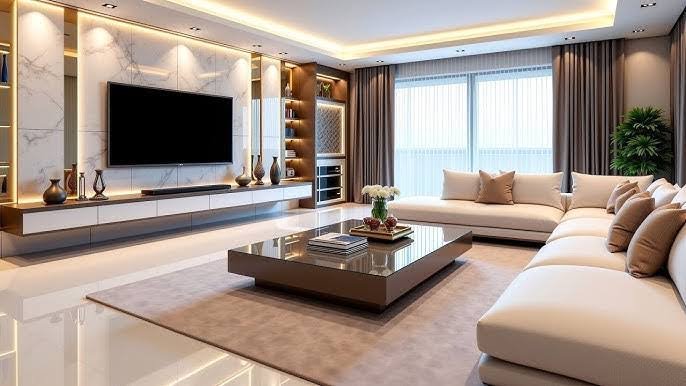
Decorating a home does not always require a huge budget, expensive furniture, or a complete renovation. Often, the biggest difference comes from small, thoughtful changes that make a room feel more comfortable, organized, and personal. Interior decoration advice Mintpaldecor can be viewed as a starting point for anyone who wants to create a home that looks attractive while still feeling practical and welcoming.
Whether you are decorating a new apartment, refreshing a bedroom, or simply trying to make your living room more inviting, the right approach can make the process easier. The goal is not to follow every trend. Instead, good interior decoration is about understanding your space and choosing elements that work together.
Start With the Purpose of Each Room
Before buying decorations, think about how you actually use the room.
A living room might need to accommodate conversations, entertainment, reading, or family activities. A bedroom should generally feel comfortable and relaxing. A home office may require a more organized setup that supports concentration.
When you understand a room’s purpose, decorating decisions become much easier. Furniture placement, lighting, colors, and accessories can all be selected according to the way the space functions.
Choose a Simple Color Palette
Color is one of the easiest ways to transform an interior.
Instead of using too many unrelated colors, consider selecting a basic palette with two or three main shades. Neutral colors such as white, beige, gray, and soft brown can provide a flexible foundation, while carefully selected accent colors can add personality.
For example, a neutral living room can become more interesting with cushions, artwork, curtains, or decorative objects in complementary shades.
The key is balance. A color palette should create visual connection rather than make every item compete for attention.
Make Lighting Part of the Design
Good lighting can completely change the atmosphere of a room.
Whenever possible, make use of natural light. Keep windows relatively clear and choose window treatments that allow sunlight into the room when appropriate.
Artificial lighting is equally important. Instead of relying on a single ceiling light, consider combining different types of lighting. Table lamps, floor lamps, wall lighting, and accent lights can create different levels of brightness.
Warm lighting can make living spaces feel cozy, while brighter task lighting can be useful for reading, studying, or working.
Avoid Filling Every Empty Space
One common decorating mistake is assuming that every empty corner needs something.
Empty space can actually make a room feel larger and calmer. If furniture and decorations are packed too closely together, the room may feel cluttered regardless of how expensive the individual pieces are.
Give important furniture and decorative objects enough room to breathe. A carefully chosen centerpiece can often have more impact than several small objects scattered around the room.
Select Furniture for Comfort and Function
Beautiful furniture is useful only when it works for the people living in the home.
Consider the size of the room before purchasing large pieces. A huge sofa might look impressive in a showroom but overwhelm a small living room.
Measure doorways, walls, and available floor space before buying furniture. Also think about movement. People should be able to walk comfortably around the room without constantly navigating obstacles.
Function should always come before decoration.
Add Personality With Accessories
Accessories are where a home can begin to feel truly personal.
Artwork, books, plants, cushions, rugs, photographs, mirrors, and decorative objects can introduce character without requiring major structural changes.
Rather than buying everything from the same collection, consider combining different textures and materials. Wood, glass, fabric, ceramic, and metal can work together when they share complementary colors or shapes.
Personal items are especially valuable because they make a space feel connected to the people who live there.
Use Mirrors Strategically
Mirrors can be both decorative and practical.
A well-positioned mirror can reflect natural light and create the impression of greater depth. This can be particularly useful in smaller rooms or darker areas.
Instead of placing mirrors randomly, think about what they will reflect. A mirror facing a window can help distribute natural light, while one positioned opposite an attractive piece of artwork can emphasize that feature.
The frame also matters. A simple frame can suit a minimalist interior, while a more decorative design can become a statement feature.
Bring Nature Indoors
Plants are an easy way to add life to an interior.
Greenery can introduce natural color and soften rooms dominated by hard surfaces such as wood, metal, or glass. Depending on the available light and level of maintenance you prefer, you can select plants that fit your environment.
If maintaining live plants is difficult, high-quality artificial greenery can provide a similar visual effect.
Plants can be placed on shelves, side tables, windowsills, or in floor-standing pots. The important thing is to avoid turning them into clutter.
Create a Focal Point
Every room can benefit from having something that naturally attracts attention.
A focal point might be a large artwork, fireplace, statement light fixture, interesting piece of furniture, or carefully styled wall.
Once you have identified the focal point, arrange other elements around it rather than giving every item equal visual importance.
This simple principle can make a room look more organized and intentional.
Mix Textures for a Richer Interior
A room can use a relatively simple color palette and still feel visually interesting when different textures are introduced.
For example, combine a smooth wooden table with soft fabric cushions, a textured rug, ceramic accessories, and woven baskets.
Texture adds depth without requiring strong colors or complicated patterns. It is particularly useful when creating neutral interiors that might otherwise feel flat.
Keep Clutter Under Control
Organization is an important part of decoration.
Even a beautifully designed room can lose its appeal when surfaces are covered with unnecessary items. Use baskets, cabinets, shelves, storage boxes, and drawers to keep everyday objects organized.
Try to distinguish between items that are genuinely useful and items that are simply occupying space.
A cleaner environment often makes decorative pieces more noticeable.
Decorate Walls Thoughtfully
Walls offer valuable opportunities to express personality.
Instead of covering every wall, select a few areas where artwork or decoration will have the greatest impact. A large piece can create a strong focal point, while a carefully arranged group of smaller frames can create a gallery-style display.
Before hanging anything, consider proportions. Artwork that is too small can disappear on a large wall, while oversized pieces may dominate a compact room.
Refresh a Room Without Renovating
You do not always need to remodel a room to make it feel new.
Changing cushion covers, adding a rug, rearranging furniture, introducing plants, updating artwork, or replacing lampshades can produce noticeable results.
Even moving furniture into a different arrangement can change how a room feels.
This approach is especially useful when you want to experiment with different styles before committing to expensive changes.
Think About Balance
Good interior decoration is often about balance rather than perfection.
Balance can be achieved through color, furniture size, visual weight, texture, and spacing. For example, if one side of a room contains a large piece of furniture, smaller decorative elements can help visually balance the opposite side.
Symmetry can create a formal appearance, while asymmetry can make a room feel more relaxed and contemporary.
There is no single correct formula. The best arrangement is the one that feels comfortable and works for your space.
Frequently Asked Questions
What is the most important interior decoration advice for beginners?
Start with the room’s purpose, available space, and color palette. Avoid buying decorations before you know how you want the room to function.
How can I decorate my home on a small budget?
Focus on affordable changes such as rearranging furniture, adding plants, updating textiles, creating simple wall displays, and improving lighting.
How many colors should I use in a room?
A simple palette of two or three main colors is usually easier to coordinate. You can introduce additional shades through small accessories.
Do small rooms need fewer decorations?
Not necessarily, but small rooms benefit from thoughtful selection. Too many large or unrelated items can make the space feel crowded.
How can I make my home feel more comfortable?
Use comfortable furniture, soft textiles, warm lighting, natural elements, and personal objects that make the space feel familiar.
Should every room have the same style?
Not at all. Different rooms can have different personalities while sharing a few common colors, materials, or design elements to create continuity.
Final Thoughts
Interior decoration does not have to be complicated. The most effective changes often come from understanding your space, choosing practical furniture, controlling clutter, improving lighting, and adding personal touches.
The ideas associated with interior decoration advice Mintpaldecor can provide inspiration, but your home should ultimately reflect your own needs and personality. Start small, experiment with different arrangements, and pay attention to how each change affects the room.
A beautiful home is not necessarily the one filled with the most expensive objects. It is the one where colors, furniture, lighting, textures, and personal details work together to create a space that feels comfortable and genuinely yours.