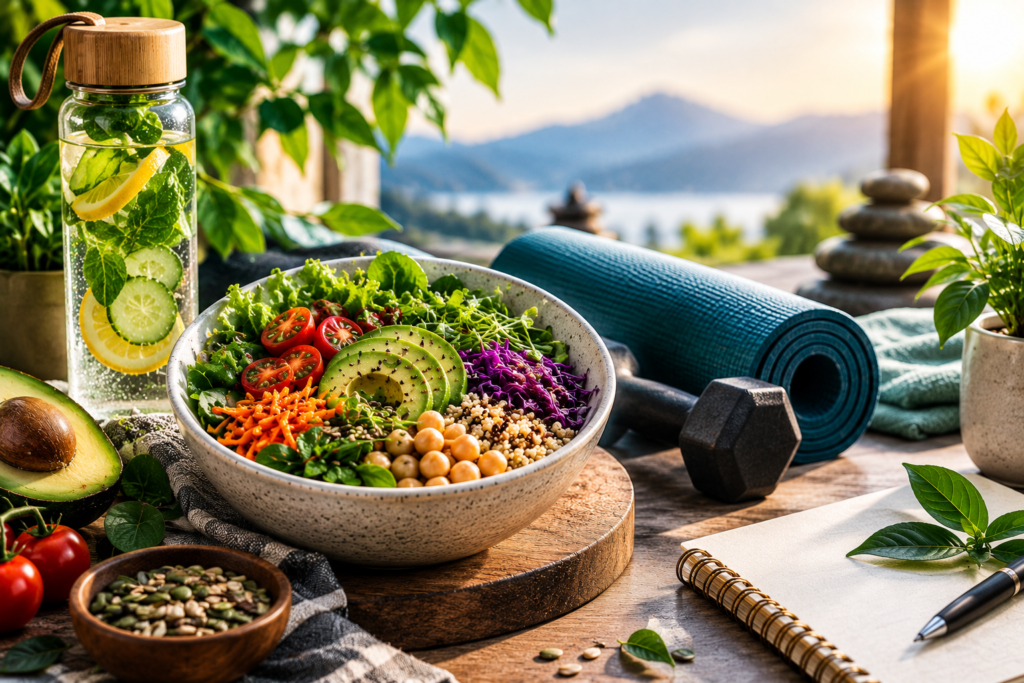
In a world filled with complicated diets, conflicting health advice, and endless wellness trends, finding practical information you can actually use can feel overwhelming. This is where By JustALittleBite JalbiteHealth Guides can be useful. The concept focuses on approachable health information, everyday wellness habits, nutrition guidance, and simple ideas that can fit into a busy lifestyle.
Healthy living does not always require dramatic changes. Small, consistent choices—such as eating balanced meals, staying active, getting enough sleep, and managing stress—can contribute to overall well-being. The goal of a practical wellness guide is to make those choices easier to understand and apply.
This article explores the idea behind By JustALittleBite JalbiteHealth Guides and looks at the healthy tips and wellness advice that can help people build sustainable habits.
What Is By JustALittleBite JalbiteHealth Guides?
By JustALittleBite JalbiteHealth Guides can be understood as a wellness-focused approach to sharing accessible information about health, nutrition, lifestyle, and everyday self-care.
Instead of presenting healthy living as something complicated, useful health guides generally break information into manageable ideas. Readers can then focus on realistic improvements rather than trying to completely change their lifestyle overnight.
Topics associated with this type of wellness content may include:
- Healthy eating habits
- Balanced nutrition
- Physical activity
- Sleep and recovery
- Stress management
- Hydration
- Daily wellness routines
- General lifestyle advice
- Healthy meal ideas
The most useful approach is one that emphasizes consistency rather than perfection.
Why Healthy Habits Matter
Your daily habits influence many aspects of your overall well-being. What you eat, how much you move, how well you sleep, and how you handle stress can all contribute to your general health.
Think of wellness like building a house. One huge improvement is helpful, but a strong structure depends on many smaller parts working together.
For example, someone might start by making breakfast more nutritious. Later, they may add regular walks, improve their sleep schedule, and become more mindful about hydration. These small changes can create a more sustainable routine.
Healthy Eating Tips for Everyday Life
Nutrition is one of the most important areas of everyday wellness. However, healthy eating does not have to mean following an extremely restrictive diet.
A balanced approach can include a variety of foods from different food groups. Fruits, vegetables, whole grains, protein-rich foods, and healthy sources of fats can all have a place in a varied diet.
1. Add More Fruits and Vegetables
Fruits and vegetables provide important nutrients and dietary fiber. Try adding different colors and varieties to meals throughout the week.
For example, you could include berries with breakfast, vegetables with lunch, and a salad or cooked vegetables with dinner.
2. Choose Nutrient-Dense Foods
Nutrient-dense foods provide useful nutrients relative to their calories. Examples can include vegetables, fruits, legumes, whole grains, eggs, fish, nuts, and other minimally processed foods.
Rather than focusing on eliminating every food considered “unhealthy,” it can be more practical to build meals around nutritious choices.
3. Pay Attention to Portion Sizes
Portion awareness can help create balanced meals without requiring complicated calculations. Individual nutritional needs vary, so there is no single portion size that works for everyone.
Eating slowly and paying attention to hunger and fullness can also help people become more aware of their eating patterns.
The Importance of Staying Hydrated
Water is essential for normal body functions. Staying adequately hydrated is therefore an important part of everyday wellness.
A person’s fluid requirements can vary depending on factors such as activity level, climate, age, and overall health.
Keeping water accessible during the day can make hydration easier. You can also obtain fluids from foods and other beverages, although water is often a simple everyday choice.
Physical Activity and Wellness
Exercise does not necessarily mean spending hours at a gym. Everyday movement can take many forms.
Walking, cycling, swimming, dancing, recreational sports, stretching, and strength exercises can all contribute to an active lifestyle.
The important point is to find activities that are enjoyable and realistic enough to maintain consistently.
Simple Ways to Move More
If you spend much of the day sitting, consider adding small amounts of movement to your routine:
- Take short walking breaks.
- Use stairs when practical.
- Stretch after sitting for long periods.
- Walk while talking on the phone.
- Participate in recreational activities.
- Spend some time outdoors.
Even small changes can make an otherwise sedentary day more active.
Sleep Is Part of Wellness Too
Nutrition and exercise often receive most of the attention, but sleep is another important part of a healthy lifestyle.
Good sleep supports normal physical and mental functioning. Creating a consistent bedtime routine may help make sleep more predictable.
Some useful habits include maintaining a regular sleep schedule, creating a comfortable sleeping environment, and limiting stimulating activities close to bedtime.
If persistent sleep problems interfere with daily life, speaking with a qualified healthcare professional is appropriate.
Managing Everyday Stress
Stress is a normal part of life, but finding healthy ways to manage it can support overall well-being.
Different strategies work for different people. Some may benefit from walking, reading, spending time with friends or family, practicing relaxation techniques, organizing their schedule, or taking time away from screens.
The goal is not necessarily to eliminate every stressful situation. Instead, healthy stress-management habits can help people respond to everyday challenges more effectively.
Building Sustainable Wellness Habits
One of the biggest mistakes people make when trying to improve their health is attempting to change everything at once.
A more manageable approach is to start with one or two habits.
For example:
Week 1: Drink water regularly throughout the day.
Week 2: Add a daily walk.
Week 3: Include more vegetables in meals.
Week 4: Establish a consistent bedtime routine.
This gradual approach can make healthy habits feel less overwhelming.
Why Consistency Matters More Than Perfection
Healthy living is not about having a perfect routine every day. Everyone has busy days, celebrations, travel, or periods when their normal routine changes.
Missing one workout or eating a less nutritious meal does not erase other healthy habits.
Instead of thinking in terms of perfection, focus on returning to your normal routine. Long-term wellness is built through repeated habits over time.
How JalbiteHealth Guides Can Support Better Choices
Health information can be valuable when it is easy to understand and practical. Guides centered around everyday wellness can help readers learn about nutrition, activity, sleep, hydration, and lifestyle habits in a straightforward way.
However, general wellness articles should not replace personalized medical advice. Health needs differ from person to person, and people with medical conditions, allergies, nutritional concerns, or other health issues should consult an appropriate healthcare professional.
Frequently Asked Questions
What is By JustALittleBite JalbiteHealth Guides?
By JustALittleBite JalbiteHealth Guides refers to wellness-oriented content focused on healthy living, nutrition, lifestyle habits, and practical health advice.
What are some basic healthy habits?
Basic healthy habits can include eating a varied and balanced diet, staying physically active, getting sufficient sleep, drinking adequate fluids, and finding healthy ways to manage stress.
How can I start living a healthier lifestyle?
Start with small, realistic changes. For example, you might improve one meal, take regular walks, establish a consistent sleep routine, or drink water more regularly.
Is healthy eating the same for everyone?
No. Nutritional needs can vary according to factors such as age, activity level, health status, and individual circumstances. A qualified healthcare or nutrition professional can provide personalized guidance when needed.
How important is exercise for wellness?
Regular physical activity is an important part of overall health. The type and amount of activity appropriate for an individual can vary, so choosing enjoyable and sustainable activities is useful.
Can wellness guides replace medical advice?
No. General wellness guides provide educational information and should not be considered a substitute for professional medical diagnosis or treatment.
Final Thoughts
By JustALittleBite JalbiteHealth Guides: Healthy Tips and Wellness Advice represents the broader idea that healthy living can be approached through practical, manageable habits. From balanced nutrition and hydration to physical activity, quality sleep, and stress management, wellness involves several connected parts.
The key is to avoid looking for a single perfect solution. Instead, focus on realistic habits that can become part of your everyday routine. Small steps, repeated consistently, can make healthy living feel more achievable and sustainable.